

Box build assembly is the process of integrating a fully assembled printed circuit board (PCBA) into a complete, finished product, including the enclosure, wiring harnesses, mechanical components, and any sub-assemblies required for a market-ready unit. Unlike standalone PCB assembly, this approach covers everything from the board outward: housing, connectors, cables, displays, and final testing. OEMs choose it to consolidate manufacturing under one partner rather than managing multiple suppliers across the production chain.
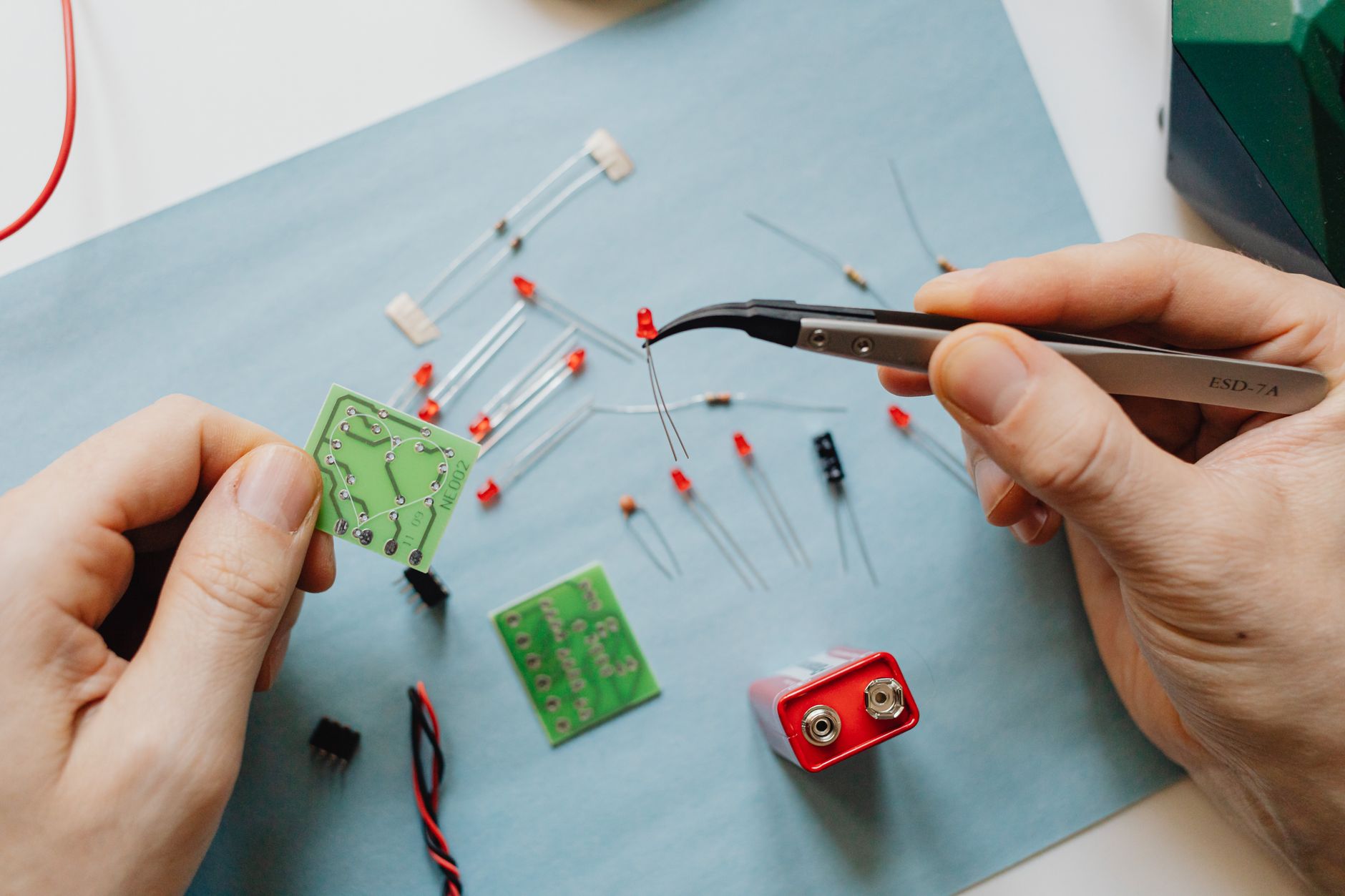
What Is Box Build Assembly and How Does It Differ from PCBA?
Box build assembly transforms a finished PCB into a complete, shippable product — PCBA alone stops at the populated board.
PCB assembly (PCBA) covers the placement and soldering of electronic components onto a bare board. The output is a tested circuit board, functional in isolation, but not yet a product anyone can deploy in the field. The box build process picks up exactly where PCBA ends: the board goes into a housing, gets wired to a power supply, connects to displays or sensors, and receives firmware, labeling, and a final functional test before it ships.
The distinction matters because the two processes require different skills, tooling, and quality standards. A PCBA line is optimized for surface-mount placement and solder reflow. A box build line manages mechanical fastening, cable routing, torque specifications, and system-level testing — disciplines that sit closer to electromechanical manufacturing than to board-level electronics. For a deeper look at how these two processes compare, Dynamic Source Manufacturing’s complete guide for OEMs is a useful reference.
What is box build in EMS and why do OEMs choose it?
In an electronics manufacturing services (EMS) context, box build assembly means a contract manufacturer takes responsibility for the complete product, not just the board. OEMs delegate this work for three practical reasons: it consolidates supplier relationships under a single accountable partner, it keeps sensitive design files and integration processes within a controlled facility rather than spread across multiple vendors, and it shifts production accountability — including testing and traceability — to one entity.
Managing integration in-house requires floor space, trained technicians, and supply chain coordination across enclosure suppliers, cable assemblers, and component distributors. Outsourcing to a capable EMS partner removes that overhead and compresses the path from finished board to finished product.
A real-world example of box build assembly
Consider a portable patient-monitoring device. The PCBA handles signal processing and wireless communication, but the deliverable a hospital receives includes a ruggedized housing, a color touchscreen, a rechargeable battery pack, labeled connectors, and pre-loaded firmware — all assembled and verified as a unit. Each of those elements beyond the board falls within the scope of this integration process. The contract manufacturer sources the enclosure, routes the internal wiring, installs the display module, loads the device software, and runs a final functional test before packaging the unit for shipment.
What the Box Build Assembly Process Actually Includes
A complete box build spans eight distinct stages, each building on the last:
- DFM review — design for manufacturability analysis before any components are ordered
- Component procurement — sourcing all parts per the approved bill of materials
- PCB assembly (PCBA) — placement, soldering, and board-level testing
- Mechanical assembly — fitting the board and subassemblies into the enclosure
- Cable and wiring harness installation — routing, securing, and terminating all conductors
- System integration — connecting all subassemblies into a unified unit
- Testing — ICT, functional test, burn-in, and environmental stress screening as required
- Packaging and shipment — labeling, final inspection, and outbound logistics
Skipping or compressing any stage typically creates defects that surface later, at higher cost.
What role does design for manufacturability (DFM) play in box build assembly?
DFM review happens before a single component is ordered, and its purpose is to find problems while changes are still cheap. An EMS engineer examines the mechanical design for fit conflicts, checks that thermal management is adequate for the enclosure, and verifies that the assembly sequence is physically achievable on the production floor.
Catching a connector clearance issue or a heatsink interference problem at the DFM stage costs a design revision. Catching it after tooling is committed costs tooling rework, schedule delays, and potential product recalls. Early DFM review is the single highest-value quality intervention in a box build project.
How does supply chain management factor into box build services?
A capable EMS partner manages the full bill of materials, sourcing components, maintaining approved vendor lists, tracking long-lead items, and holding buffer stock to absorb supply disruptions. The OEM hands over a BOM and receives finished, tested units; the procurement burden stays with the manufacturer.
The model the OEM chooses shapes who carries that burden. In a turnkey arrangement, the EMS partner owns procurement and materials, which reduces the OEM’s exposure to component shortages but gives the EMS partner more control over sourcing decisions. In a consignment model, the OEM supplies parts, retaining vendor control but accepting responsibility for lead times, shortages, and inbound quality. Turnkey typically shortens the OEM’s internal workload; consignment suits situations where proprietary or sole-source components are non-negotiable.
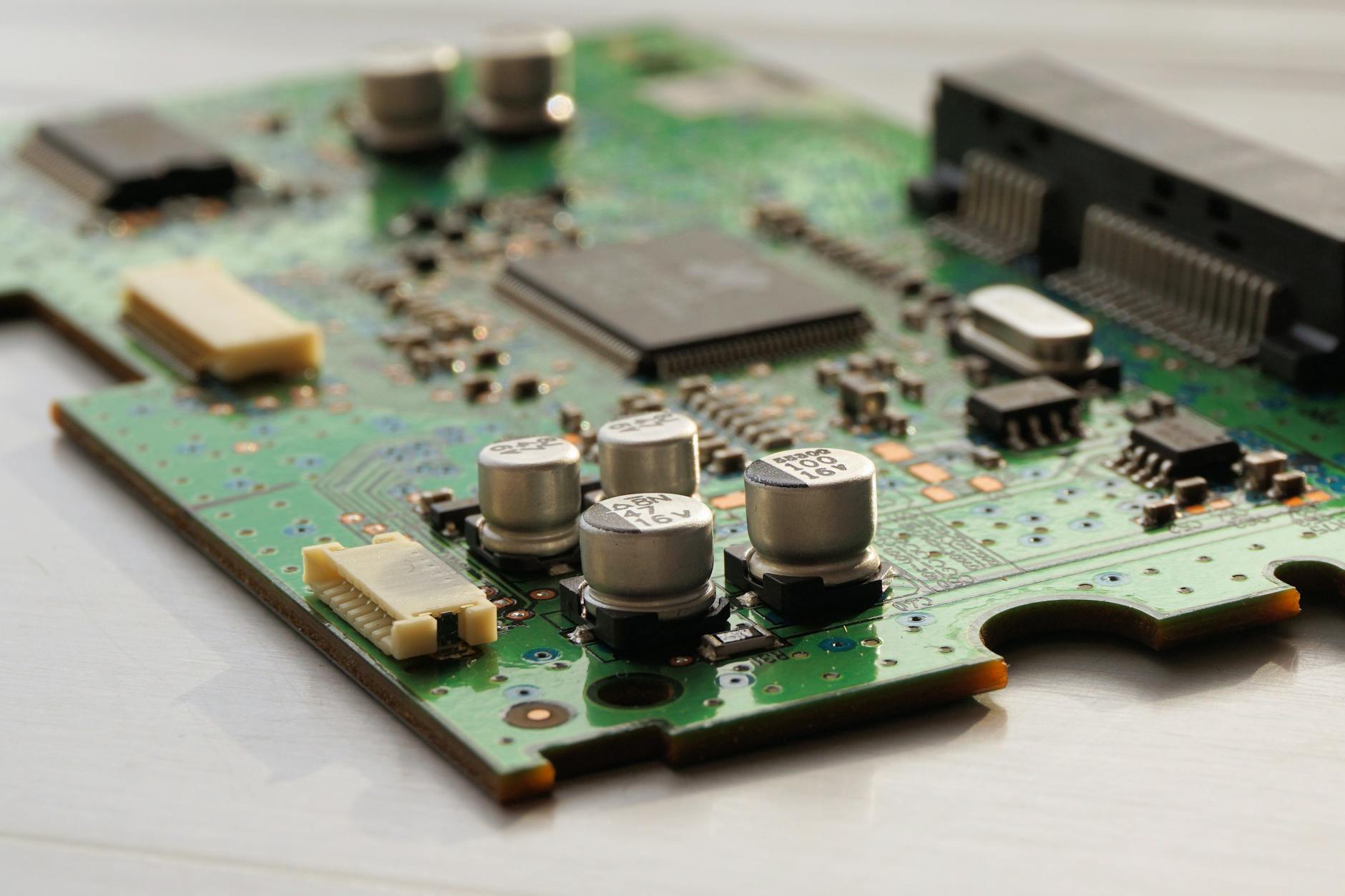
Why Box Build Assembly Is More Complex Than Standard PCB Assembly
This type of integrated manufacturing adds mechanical, logistical, and multi-discipline coordination challenges that flat PCB work simply does not involve.
A populated PCB operates in a controlled 2D plane. Box build introduces a third dimension — an enclosure with tolerance stack-ups, cable runs constrained by physical routing paths, heat-generating components that must dissipate thermal load across the full unit, and an assembly sequence where one step physically blocks access to the next. Fitting a wiring harness before mounting a PCB, for example, is not interchangeable with doing it after; sequence dependencies like this have no equivalent in standard PCB assembly.
Multi-discipline coordination multiplies the risk further. Mechanical engineers design the enclosure, electrical engineers specify the wiring, and production technicians execute the build — often in sequence, not in parallel. Defects most commonly originate at those handoff points, where an assumption made during design does not survive contact with the production floor.
Common failure points and quality issues in box build assembly
Four failure modes account for a large share of box build defects. Connector mis-seating occurs when a plug is not fully engaged, leaving an intermittent electrical contact that passes visual inspection but fails under vibration. Wiring harness strain relief failures happen when a cable is routed without adequate support, concentrating flex stress at the termination point until the conductor breaks. Electrostatic discharge (ESD) damage during integration destroys sensitive components that survived PCB assembly because they were then handled in a controlled environment — open-enclosure integration reintroduces that risk. Incorrect torque on mechanical fasteners either strips threads or leaves joints loose enough to shift under load.
How advanced testing and quality certifications ensure reliability
No single test catches all failure modes, which is why box build relies on layered verification. In-circuit testing (ICT) probes individual nodes on the PCB to confirm correct component placement and solder joints. Functional testing powers the complete assembly and exercises its intended behavior. Burn-in testing runs the unit at elevated temperature and voltage for an extended period to accelerate early-life failures — components that will fail do so in the factory, not in the field. Environmental stress screening (ESS) adds thermal cycling and vibration to expose mechanical weaknesses that burn-in alone misses.
Quality certifications set the floor for what manufacturers must actually demonstrate, not just claim. IPC-A-610 defines workmanship acceptability criteria for electronic assemblies, specifying measurable conditions for solder joints, component placement, and cleanliness. ISO 9001 requires documented process control, traceability, and corrective action systems. Medical box build typically demands compliance with ISO 13485, which adds design history files and risk management records. Defense and aerospace programs often require AS9100 or ITAR registration, which impose configuration management and export controls on top of standard quality requirements. For a detailed breakdown of how these certifications apply in practice, PICA Manufacturing Solutions covers the process, benefits, and manufacturer selection criteria in depth.
How to Choose the Right Box Build Manufacturing Partner
The right partner combines mechanical, electronic, and test capabilities under one roof, with certifications that match your target market.
What capabilities and certifications should you look for in a box build manufacturer?
A PCB-only shop can populate a board. A true box build partner does considerably more: in-house mechanical assembly, cable harness fabrication, enclosure sourcing, system-level functional testing, and NPI support that carries your design from prototype through volume production.
On the certification side, ISO 9001 is the baseline quality management standard — any credible EMS provider should hold it. IPC-A-610 sets the workmanship standard for electronic assemblies and signals that technicians are trained to an accepted industry benchmark. Beyond those table-stakes credentials, sector-specific standards separate general-purpose shops from specialists: ISO 13485 for medical devices, AS9100 for aerospace and defense. If your product must meet one of those standards, verify the certification before shortlisting a partner.
Ask direct questions during evaluation:
- What does your DFM review process cover, and at what stage does it happen?
- How do you manage component obsolescence across a multi-year production run?
- Which test regimes — ICT, functional test, burn-in — are standard, and which cost extra?
- Can you scale from a 50-unit pilot to 5,000 units per month without re-qualifying the line?
- What traceability documentation do you provide at the unit level?
You can also review Foxtronics EMS’s turnkey box build assembly services as a benchmark for what a full-service provider’s capabilities typically look like.
How does turnkey manufacturing compare to other outsourcing models?
Three models dominate box build outsourcing, each with a different control and risk profile.
- Turnkey: The EMS partner owns procurement, assembly, and delivery. You get a finished product and a single point of accountability, but you cede direct control over component sourcing and pricing.
- Consignment: You supply all parts; the EMS provides labor and process. Control stays with you, but so does supply chain risk — any shortage or quality issue on your supplied parts halts the line.
- Partial turnkey: You supply strategic or long-lead components; the EMS sources the rest. This splits risk and is often the practical middle ground for OEMs with preferred-vendor agreements on critical parts.
Choose the model that matches your internal procurement bandwidth and your tolerance for supply chain exposure, not simply the one that looks cheapest on a per-unit basis.
What to Expect for Cost and Timeline on a Box Build Project
Cost and timeline vary widely based on BOM complexity, enclosure type, wiring depth, testing requirements, and production volume.
The primary cost drivers work in combination. A simple sheet-metal enclosure with a single PCB and minimal cabling sits at the budget-friendly end. Add a custom aluminum chassis, multi-conductor wire harnesses, and functional plus environmental testing, and the project moves into mid-range territory. Highly complex electromechanical builds — those requiring EMC certification, conformal coating, or multi-board integration — fall into premium pricing. Each layer of complexity adds labor time, specialized tooling, and quality documentation requirements.
Volume has a direct effect on per-unit economics. Prototype and low-volume runs absorb setup costs, tooling amortization, and a higher ratio of manual assembly across fewer units. As volume scales, those fixed costs spread across a larger output, and automated processes replace more manual steps, reducing the cost per unit meaningfully. The crossover point depends on the specific build, but the mechanism is consistent across the industry.
What is the typical timeline from design to delivery for a box build project?
Most projects move through five phases: NPI and DFM review, prototype build and validation, design freeze, production ramp, and ongoing supply chain management. DFM review can extend if the design requires significant revision. Prototype validation stretches when regulatory approvals — such as UL, CE, or FCC — are in scope.
Component availability is often the largest wildcard. Long-lead semiconductors or custom mechanical parts can add weeks or months regardless of how efficiently the EMS partner operates. Geographic proximity to the manufacturer also affects shipping windows and responsiveness during design iterations.
A realistic timeline discussion at project kickoff — covering lead times, test scope, and approval requirements — prevents the downstream surprises that most schedule overruns trace back to.

Frequently Asked Questions
What industries use box build assembly most commonly?
Medical devices, industrial controls, defense electronics, telecommunications, and automotive systems are the heaviest users of box build assembly. Each of these sectors demands fully integrated, tested units — not bare PCBAs — before a product can ship or receive regulatory clearance. IoT hardware and energy management equipment are also growing application areas as those products require tighter integration of sensors, enclosures, and firmware.
Can box build assembly handle low-volume or prototype runs, or is it only for high-volume production?
Box build assembly works across the full production spectrum, from single prototypes to high-volume runs. A capable EMS partner will support early-stage builds to validate mechanical fit, cable routing, and firmware loading before committing to volume tooling. Prototype runs also give design teams the chance to identify DFM issues — misaligned mounting points, connector clearance problems — while changes are still low-cost to make.
What is the difference between turnkey box build and consignment assembly?
In a turnkey box build, the EMS provider sources all components, enclosures, and subassemblies on your behalf and delivers a finished unit. In consignment assembly, you supply the parts and the assembler provides only labor and process. Turnkey reduces your procurement burden and consolidates supplier risk, while consignment gives you direct control over specific components or approved vendor lists.
How does box build assembly support regulatory compliance for medical or defense products?
A qualified box build partner builds compliance into the process through documented traceability, controlled work instructions, and formal testing records at each assembly stage. For medical products, this typically means ISO 13485-aligned quality systems and full material traceability to support FDA submissions. Defense programs often require AS9100 certification and configuration management practices that track every component revision across the product’s life cycle.
How do I know if my product actually requires box build assembly rather than PCBA alone?
If your product ships to end users as a standalone unit — with its own enclosure, power supply, connectors, display, or firmware — it almost certainly requires box build assembly rather than PCBA alone. A bare populated board is an intermediate product, not a deployable one. Any time mechanical integration, cable routing, or system-level testing is needed before the product reaches the field, the scope has moved beyond PCB assembly into full box build territory.
Conclusion
Box build assembly is where a working PCBA becomes a shippable, compliant product — and the gap between those two states is wider than most product teams anticipate. Three things determine whether your build goes smoothly: choosing a partner with genuine electromechanical depth (not just PCB assembly capacity), engaging DFM review before enclosure tooling is cut, and confirming that your assembler’s quality certifications match your target market’s regulatory requirements.
As a concrete next step, pull your current bill of materials and identify every non-PCB component — cables, connectors, enclosures, fasteners, displays. Send that list to a prospective EMS partner and ask specifically how they handle sourcing, testing, and traceability for each category. The answers will tell you immediately whether they can own the full build or only part of it.
Recommended Articles
Explore more from our content library:
