

Turnkey manufacturing is a production model where a single manufacturer handles every stage of bringing a product to life, from sourcing raw materials and components to fabrication, assembly, quality control, and delivery, so the client receives a finished, ready-to-use product. Unlike traditional manufacturing arrangements that split responsibilities across multiple vendors, this approach consolidates the entire supply chain under one contract, reducing coordination overhead and compressing time to market.
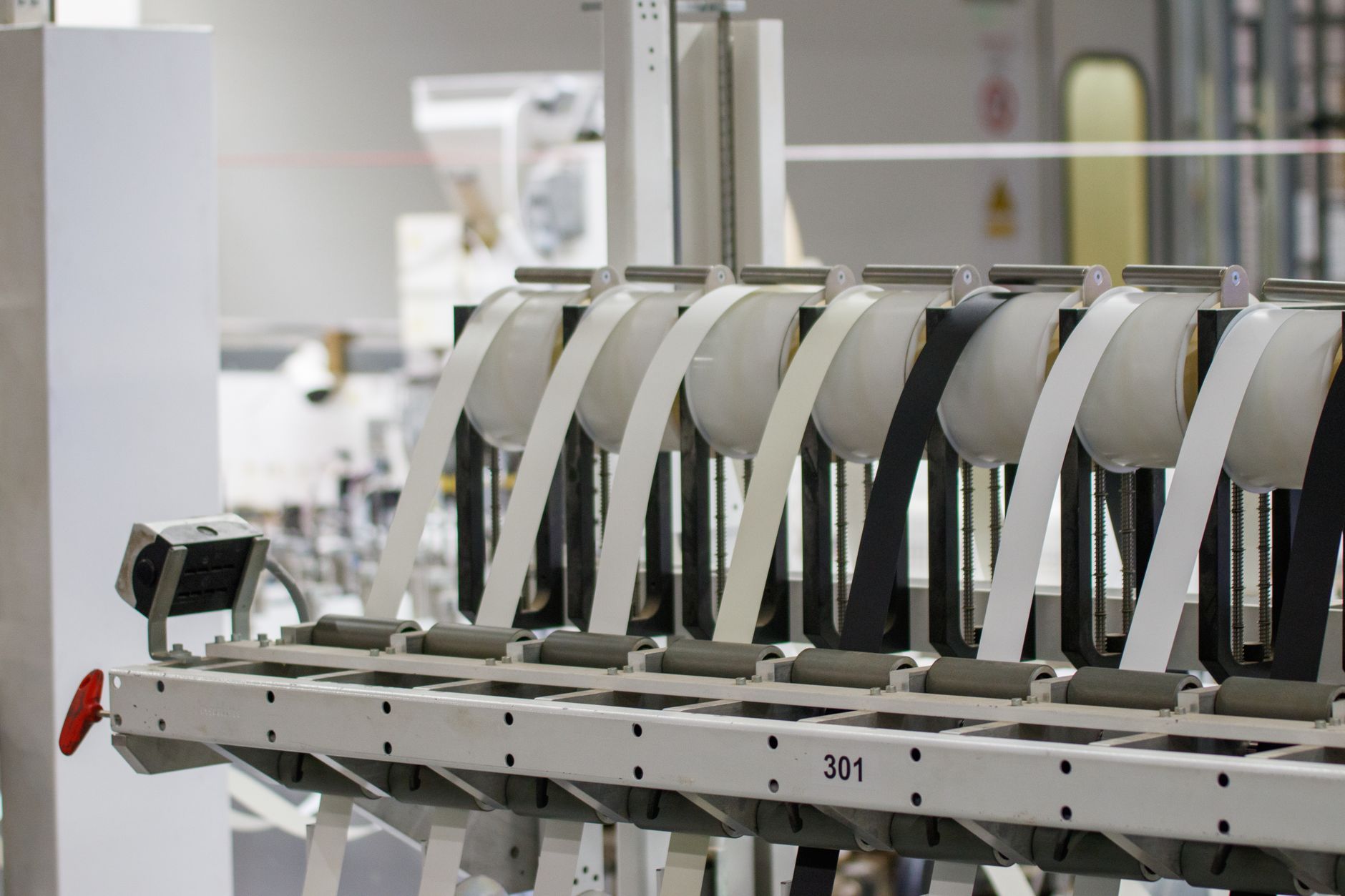
What Turnkey Manufacturing Means and How It Works
In a turnkey production arrangement, the client hands over a design or specification and receives a finished, tested product — the manufacturer owns every step in between.
That scope includes procurement, fabrication, sub-assembly, inspection, and delivery. The client does not manage suppliers, chase lead times, or coordinate separate quality audits. One contract covers the entire production chain. For a deeper look at the model’s fundamentals, Komaspec’s overview of turnkey manufacturing provides useful context.
The Step-by-Step Turnkey Manufacturing Process
The process follows a defined sequence, and each stage gates the next.
- Design review and manufacturability assessment. The manufacturer evaluates the client’s drawings or CAD files for production feasibility, identifying tolerances that are difficult to hold at volume, materials that are difficult to source, or assembly sequences that add unnecessary cost.
- Material and component sourcing. The manufacturer procures raw materials and bought-in components directly, using its own supplier relationships. The client is not involved in vendor selection unless specific approved-supplier lists apply.
- Production and sub-assembly. Fabrication runs, whether CNC machining, sheet metal forming, cold forging, or PCB population, proceed under the manufacturer’s production schedule.
- Quality inspection. In-process and final inspection checks dimensions, surface finish, electrical function, or other specified parameters before the product leaves the facility.
- Packaging and delivery. The finished product ships to the client’s location or directly to their customer, per the agreed delivery schedule.
A single project manager owns this timeline. That differs sharply from a multi-vendor arrangement, where the client must coordinate handoffs between a machinist, a finisher, and an assembler, each working to their own schedule.
Quality Control Standards and Certifications to Expect
A credible turnkey manufacturer holds documented certifications that govern how each production stage is controlled. ISO 9001 sets the baseline quality management framework and applies across industries. Medical device work typically requires ISO 13485, which adds traceability and design-control requirements. Products entering the U.S. medical market may also require FDA establishment registration.
These standards are not simply badges — they define how non-conformances are logged, how corrective actions are tracked, and how inspection records are retained. Ask any prospective manufacturer for their current certificate scope and audit date before committing.
The client still carries responsibilities that this model does not absorb. IP ownership stays with the client. Final product approval, signing off that the delivered goods meet specification, remains the client’s call. Where regulatory submission is required, such as a 510(k) filing or CE marking, the client or their authorized representative submits it. Turnkey reduces operational burden; it does not transfer legal accountability.
Key Advantages and Disadvantages of Turnkey Manufacturing
This production model reduces administrative complexity and compresses timelines, but it also concentrates risk in a single partner relationship.
Where Turnkey Manufacturing Saves Time and Money
Consolidated vendor management is the most immediate operational gain. Instead of managing separate contracts with a machinist, a surface finisher, a PCB assembler, and a logistics provider, a client works with one partner. That single point of contact eliminates the communication gaps and changeover delays that accumulate when multiple suppliers hand off work between each other.
Faster time to market comes from how the work is structured. Sourcing, tooling, and fabrication run as parallel workstreams rather than sequential steps — the manufacturer can begin procurement while engineering finalizes tolerances. That overlap can meaningfully compress a production timeline compared to a fragmented, hand-off-by-hand-off approach.
Cost predictability is the third advantage. A fixed-scope turnkey contract shifts material price risk and scheduling risk to the manufacturer. The client receives a defined deliverable at an agreed cost, which makes budgeting more reliable, particularly for programs where commodity prices or lead times are volatile.
To summarize, the primary operational benefits include:
- A single point of accountability across the full production chain
- Parallel workstreams that reduce overall lead time
- Predictable per-unit costs with material risk absorbed by the manufacturer
- Reduced internal procurement and project management overhead
- Simplified quality documentation and audit trails
The Real Limitations and Risks to Plan For
Reduced supply chain visibility is the most common complaint. When one partner manages the full chain, the client has less direct insight into sub-supplier quality standards, component substitutions, or individual lead times. A change at the tier-two supplier level may not surface until it affects the finished part.
Dependency risk is the deeper concern. Concentrating production with a single partner means that any capacity constraint, financial difficulty, or operational disruption at that partner directly threatens production continuity, with no pre-qualified alternative ready to absorb the volume. Businesses that rely on a single partner without a contingency plan carry that exposure silently until it becomes urgent.
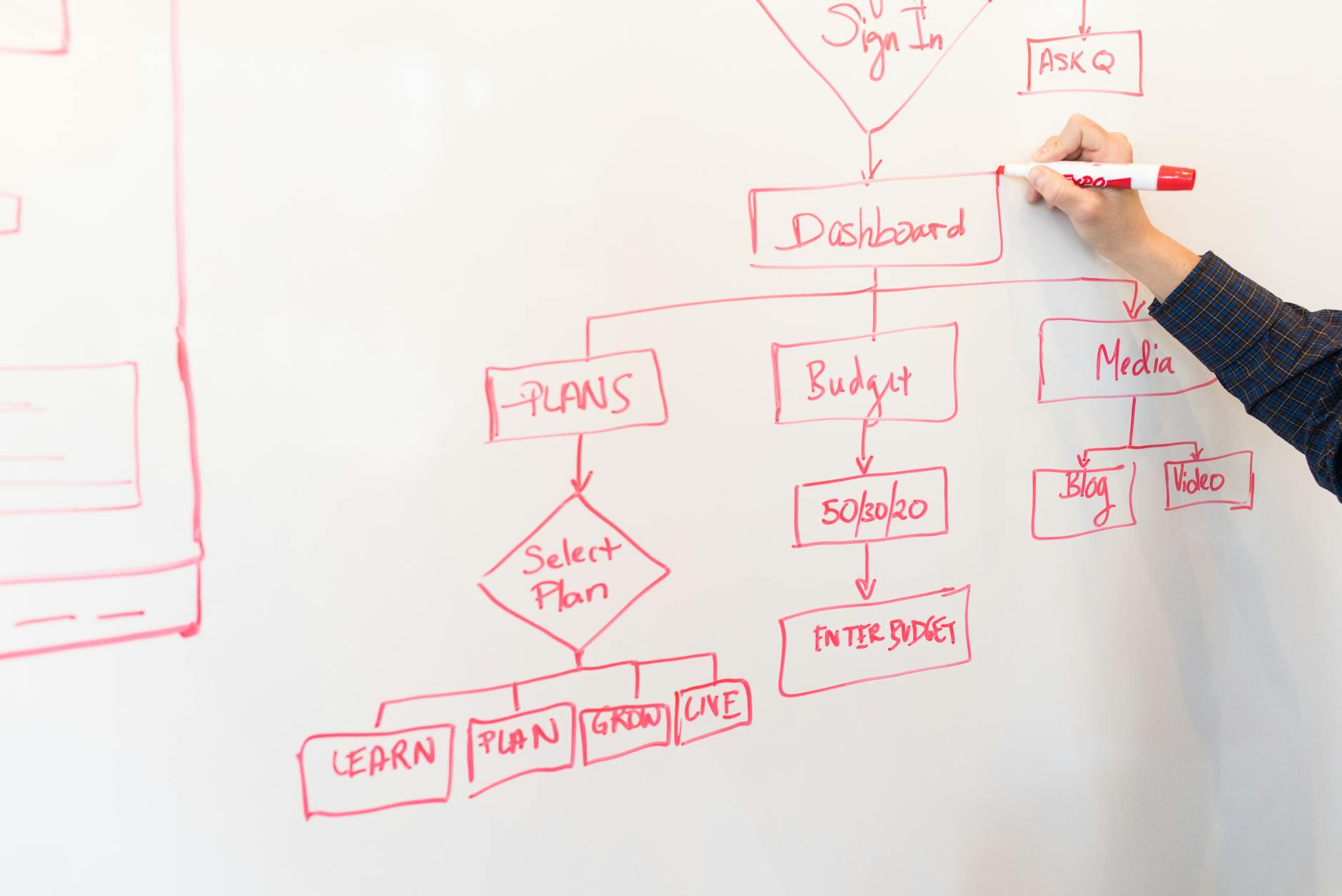
How Turnkey Manufacturing Compares to In-House and Contract Manufacturing
Each model trades control for cost and coordination differently — full outsourcing sits at one end, in-house production at the other, and contract manufacturing in between.
In-House Production: Maximum Control, Maximum Commitment
When a company manufactures in-house, it owns the equipment, employs the operators, and manages every variable from raw material to finished part. That control is real, but so is the capital commitment. Facilities, machinery, tooling, and a trained workforce represent fixed costs that only make economic sense when production volumes are high and manufacturing itself is central to what makes the product competitive.
For companies whose core competency is software, design, or distribution rather than fabrication, maintaining a production floor is a costly distraction.
Contract Manufacturing: Shared Burden, Shared Control
Contract manufacturing splits the work: the client typically retains procurement and design authority while the manufacturer provides labor and equipment for specific production steps. This gives clients more visibility into individual process stages, but it also means managing multiple vendors, coordinating material delivery timelines, and owning the supply chain risk that comes with fragmented sourcing.
When a product requires five or six distinct manufacturing steps across different suppliers, the coordination overhead alone can erode the cost savings the model was meant to create.
When to Choose Turnkey Over Keeping Production In-House
The calculation tips toward a consolidated outsourcing model when internal production volume is too low to justify capital equipment investment, when SKU complexity is high, or when the product category sits outside the company’s core competency. A medical device startup, for example, rarely benefits from building its own CNC and surface finishing capacity when a single partner can deliver certified, finished assemblies at a fraction of the fixed-cost burden.
The same logic applies when choosing between turnkey and contract manufacturing: if procurement fragmentation across multiple vendors is consuming engineering and procurement bandwidth, consolidating under one manufacturer removes that coordination cost entirely, and often reduces lead times in the process. TK Manufacturing illustrates how a dedicated turnkey shop structures this kind of end-to-end service.
Which Industries Benefit Most from Turnkey Manufacturing Solutions
Electronics, medical devices, automotive, and hardware startups gain the most from this approach because their production complexity exceeds what fragmented sourcing can manage.
Turnkey Manufacturing in Automotive, Medical, and Electronics
Electronics and PCB assembly sit at the top of the list. High component counts, short product cycles, and multi-tier supply chains create constant obsolescence risk — a component specified at design stage may be discontinued before production begins. A capable turnkey partner monitors approved vendor lists, qualifies substitutes, and manages procurement buffers, so a single discontinued part does not halt a production run.
Medical devices add regulatory pressure to that complexity. FDA 21 CFR Part 820, CE marking, and ISO 13485 all require documented traceability across the full production chain. When one partner controls machining, surface finishing, sub-assembly, and final inspection, the audit trail is a single document set rather than a patchwork of supplier records. That simplifies both pre-market submissions and post-market surveillance audits.
Automotive and industrial equipment manufacturers regularly need low-to-mid volume specialty components — brackets, housings, and actuator parts — held to tight dimensional tolerances. Combining precision CNC machining, cold forging, and surface treatment under one roof removes the tolerance stack-up risk that accumulates when parts travel between separate vendors for each process step.
Hardware startups and consumer product companies without factory infrastructure use this model to move from a validated prototype to a production-ready unit without building internal operations. The approach lowers the barrier to a physical product launch by converting large capital commitments into per-unit production costs.
Production Volumes and Complexity Levels That Fit the Model
Turnkey manufacturing delivers its clearest cost advantage at mid-range volumes. At very low quantities, the coordination overhead is manageable in-house. At very high volumes, the economics justify dedicated in-house capital investment. The middle band — where managing five or more vendors is genuinely costly but volume does not yet support owned tooling and facilities — is where a single accountable partner pays for itself through reduced procurement labor, fewer quality escapes, and faster time to delivery.
How to Choose the Right Turnkey Manufacturer for Your Business
The right partner covers your full production scope in-house, holds current certifications for your product category, and gives you a single, accountable point of contact.
Start With a Capability Audit
Ask every candidate to provide a process map showing which steps are performed on their own floor. A manufacturer who subcontracts CNC machining, surface finishing, or PCB assembly to third parties is not truly turnkey — it is simply a broker with extra steps. Subcontracting adds lead time, dilutes quality control, and creates accountability gaps that are difficult to resolve once production is underway.
Supply chain transparency matters equally. Ask how the manufacturer sources key components, whether they hold safety stock for long-lead items, and how they handle component shortages. Their answers reveal concentration risk in their own supply chain — a risk that becomes your risk the moment a shortage delays your order.
Compliance Requirements and Certifications to Verify
Match required certifications to your product category before shortlisting any partner. ISO 9001 covers general quality management; ISO 13485 is required for medical devices; IATF 16949 applies to automotive supply chains. Confirm that each certificate is current, third-party audited, and scoped to the specific processes your product requires — a certificate scoped only to sheet metal work does not cover PCB assembly.
Questions to Ask Before Signing a Turnkey Manufacturing Contract
Request references from clients in your specific industry, not just general testimonials. Ask for sample inspection reports so you can assess the depth of their quality documentation. Clarify IP protection policies and NDA terms before sharing any proprietary designs or CAD files.
Also evaluate their project management structure. A defined escalation path, with one named contact who owns communication from prototype through delivery, is a strong signal that the manufacturer can handle design changes mid-production without losing accountability.
Frequently Asked Questions
What is the difference between turnkey manufacturing and contract manufacturing?
Turnkey manufacturing covers the entire production process — sourcing, fabrication, assembly, finishing, and delivery — under one supplier, while contract manufacturing typically handles only specific production steps. With contract manufacturing, the buyer coordinates multiple vendors and manages handoffs between them. Turnkey consolidates that responsibility with a single partner, reducing the coordination burden on the buyer and giving them one point of accountability from raw material to finished product.
Is turnkey manufacturing suitable for small businesses or startups?
Yes, this model suits small businesses and startups well, particularly those without in-house production infrastructure or supply chain teams. Outsourcing the full production cycle lets a small team focus on product development, sales, and marketing rather than vendor management. The tradeoff is less direct control over individual process steps, so choosing a manufacturer with transparent reporting and clear milestone checkpoints matters more at smaller order volumes.
How does turnkey manufacturing handle intellectual property protection?
IP protection depends on the contracts and agreements signed before production begins, not on the model itself. Buyers should require a non-disclosure agreement, a manufacturing agreement that specifies IP ownership, and, where applicable, file patents in the country of manufacture before sharing design files. Auditing the supplier’s data handling practices and restricting access to design files on a need-to-know basis adds another layer of protection.
What certifications should a turnkey manufacturer have for medical device production?
A turnkey manufacturer producing medical devices should hold ISO 13485 certification, which sets quality management requirements specific to medical device production. If the products enter the U.S. market, FDA registration and compliance with 21 CFR Part 820 (Quality System Regulation) are also required. For devices sold in the EU, the manufacturer must meet MDR 2017/745 requirements. Confirm that certifications are current and that the scope covers the specific processes your product requires.
How do I evaluate whether a manufacturer is truly turnkey or simply a broker?
Request a detailed process map showing which production steps are performed on the manufacturer’s own floor. A genuine turnkey partner performs fabrication, finishing, assembly, and quality inspection in-house or through tightly managed, disclosed sub-suppliers. If a manufacturer cannot clearly identify which steps they own directly, or if they rely heavily on undisclosed third parties for core processes, they are functioning as a broker rather than a true end-to-end production partner.
Conclusion
Turnkey manufacturing earns its place when speed, supply chain simplicity, and consistent quality matter more than maintaining granular control over every production step. The clearest takeaway: vet your partner’s process coverage before committing, and confirm they handle not just fabrication but sourcing, finishing, and quality inspection under one roof. Second, get IP protections in writing before sharing any design files. Third, align on quality standards and certifications relevant to your industry, whether that’s ISO 9001 for general manufacturing or ISO 13485 for medical devices. As a concrete next step, request a process capability statement from any shortlisted manufacturer and compare it against your product’s full bill of materials.
Recommended Articles
Explore more from our content library:
